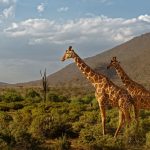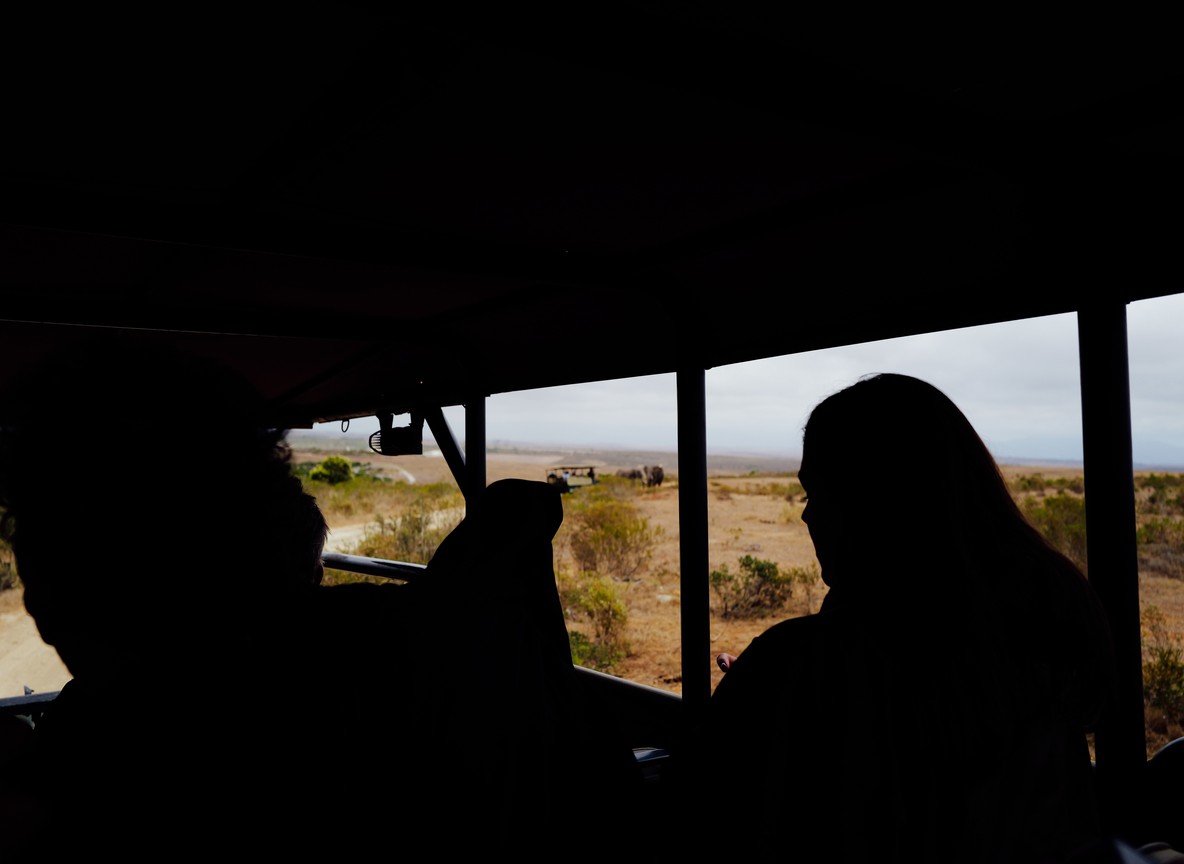
Most Kenya safari camps sell you a room. Ol Jogi Conservancy sells you the whole conservancy. This private wildlife sanctuary in Laikipia takes exactly one group of guests at a time. The 58,000 acres inside its fence belong only to your party for the length of your stay. No other vehicle, no other table at dinner, no other group deciding when the game drive leaves.
Touring Insights breaks down how that one-group-only model actually works. You will find what real guests pay for it and how the math compares to a normal shared-vehicle conservancy stay. This is an independent look at the numbers, not a booking pitch.
The Short Answer: What Makes Ol Jogi’s Model Different
Planning the trip itself? See TouringInsights’s Kenya Safari Cost Guide for Bengali Speakers for current prices, dates and what is included.
Ol Jogi does not sell individual rooms the way most lodges do. It rents the entire property, an exclusive-use safari house set inside a private wildlife conservancy, to a single group at a time. Once your party checks in, no other guests are on site. You get the vehicles, the guides, the pool, and the sightings to yourselves.
That structure sits at the far end of what a private conservancy safari can offer. Most Laikipia conservancies mix guests from several camps sharing one wildlife area. Ol Jogi removes the sharing entirely, both inside the house and across the land itself.
Where Ol Jogi Sits on Kenya’s Conservancy Map
The conservancy covers roughly 234 to 270 square kilometers, about 58,000 acres, on the Laikipia Plateau north of Mount Kenya. Laikipia itself is a private and community conservancy region of roughly 9,500 km². It ranks second only to the Masai Mara ecosystem for wildlife density in Kenya. Nanyuki, the nearest sizeable town, sits about 50 km from the conservancy gate.
Nairobi to Nanyuki runs about 195 km by road, a 3 to 4 hour drive on tarmac. Most Ol Jogi guests skip that drive and fly instead. A private charter from Nairobi’s Wilson Airport reaches the Ol Jogi airstrip in around 45 minutes. The last stretch to the house itself is a 10-minute road transfer.
Inside the One-Group-Only Booking Model
The house at Ol Jogi has 11 bedrooms spread across 8 cottages, built to host one group of between roughly 4 and 25 guests at a time. Families combine to hit the higher end, while a couple can book the smallest configuration and still have the run of the whole property.
Because there is only ever one group, the daily schedule bends entirely around that party. Game drive times, meal hours, and which part of the conservancy to explore all get set by the guests in residence, not by a shared camp itinerary. Guides know the animals on their patch by name and history, since they are not splitting attention across several parties a day.
What You Get for the Price: Vehicles, Guides, and Access
An exclusive-use safari house typically includes a dedicated vehicle fleet, a private guiding team, and staff scaled to the group rather than to a fixed room count. At Ol Jogi, that means no radio call to check if another vehicle already has the best spot at a sighting. There isn’t one.
Access extends past the standard game drive too. Guests can typically arrange horseback outings, night drives, and visits to the conservancy’s veterinary and rhino-monitoring teams. A shared camp usually cannot offer these on demand, since it has to juggle competing guest schedules across several parties.
The Conservation Work Behind the Fence
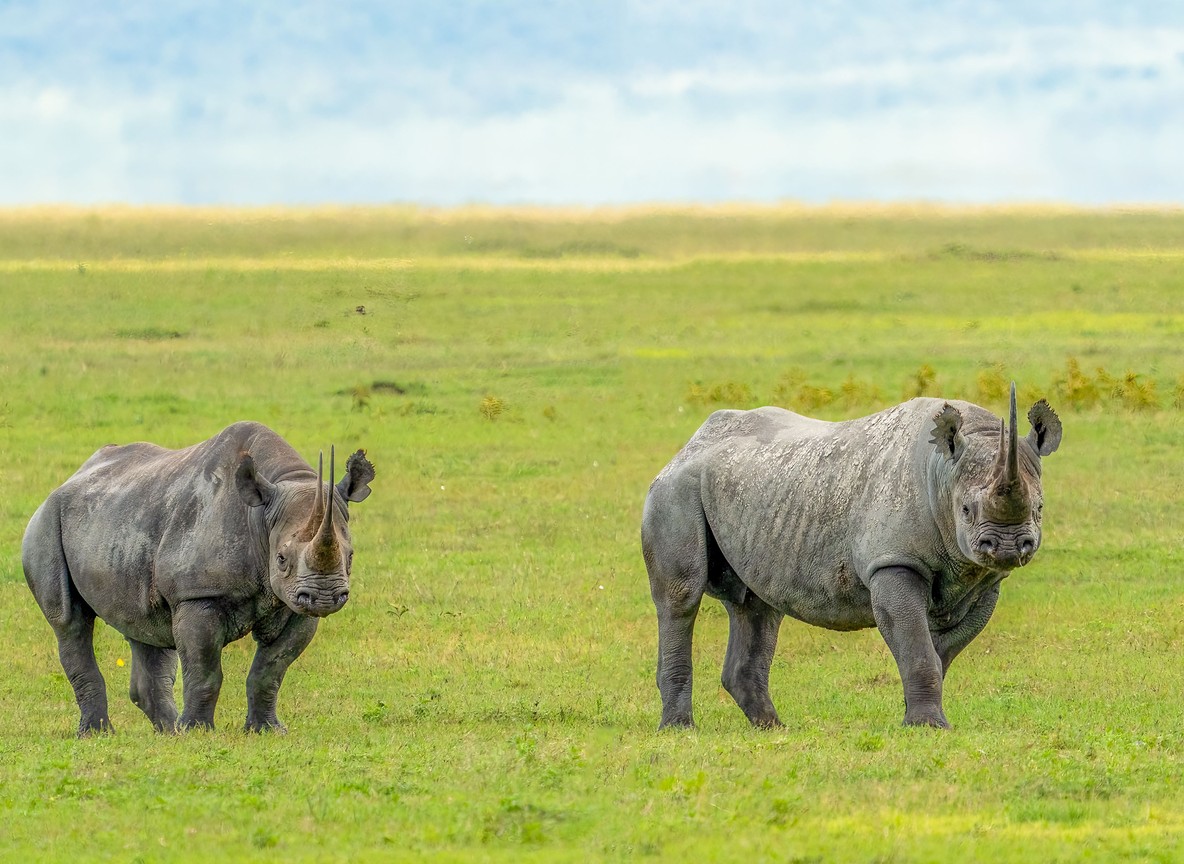
Ol Jogi is not only a private safari house. It has run as a wildlife sanctuary for more than 60 years and became Kenya’s second privately owned rhino sanctuary in 1980. The conservancy holds one of the country’s strongest black rhino breeding programs and shelters the largest Grevy’s zebra population in Africa, alongside cheetah and African wild dog.
Conservation fees bundled into an exclusive-use booking fund that work directly, including anti-poaching patrols and a wildlife rescue and veterinary unit on site. Guests who tour the rhino sanctuary or rescue center see where a chunk of the premium price actually goes, beyond the pool and the private chef.
Ol Jogi vs a Shared-Vehicle Conservancy Camp: The Real Cost Comparison
| Factor | Ol Jogi (Exclusive-Use) | Typical Shared Conservancy Camp |
|---|---|---|
| Guests on the land at once | One group only | Multiple camps, dozens of guests |
| Land per booking | Up to 58,000 acres exclusive | Shared vehicle zones, no exclusivity |
| Vehicles at a sighting | Yours only | 2-5 vehicles common |
| Booking price model | Whole-property buyout | Per-person, per-night rate |
| Indicative rate | approx. $180,000-$200,000/week for up to 14 guests, all-inclusive | approx. $700-$1,500 per person/night, all-inclusive |
| Approx. cost per guest/night (14 guests) | approx. $1,837-$2,041 | approx. $700-$1,500 |
| Schedule control | Set entirely by your group | Fixed camp game-drive times |
The exclusive-use premium narrows once a group fills most of the 14 to 25 guest range. A family or friend group of 10 or more splits that weekly buyout down toward, or even below, top-tier shared-camp rates while keeping the whole conservancy private. Two guests traveling alone pay the steepest premium per person, since the fixed weekly cost does not shrink much whether the house holds two guests or fourteen.
Getting There: Flights, Roads, and Timing
Most itineraries pair Ol Jogi with a Nairobi start or a connecting flight from another Kenya safari circuit, such as the Masai Mara or Samburu. Charter flights between Laikipia airstrips and the Mara typically run under an hour, which makes a two-conservancy trip realistic inside a 7 to 10 day Kenya itinerary.
Book the charter legs early. Laikipia airstrips run on scheduled and on-demand light-aircraft slots, and peak-season weeks fill quickly once a group commits to an exclusive-use buyout. A travel planner or partner operator can usually lock both the flight and the house dates in a single request.
| Route | Distance / Time |
|---|---|
| Nairobi (Wilson Airport) to Ol Jogi airstrip | approx. 45 min by charter flight |
| Ol Jogi airstrip to Ol Jogi House | approx. 10 min by road |
| Nairobi to Nanyuki by road | approx. 195 km, 3-4 hrs |
| Nanyuki to Ol Jogi gate | approx. 50 km |
| Ol Jogi Conservancy size | approx. 234-270 km² (58,000 acres) |
| Laikipia Plateau region size | approx. 9,500 km² |
Explorer Notes
Ask directly whether your dates land during a partial or full buyout. Some exclusive-use houses accept smaller parties on off-peak dates at a lower flat rate, which changes the per-person math considerably. It is always worth asking before assuming the top-end weekly figure applies.
Build in a rhino sanctuary or rescue-center visit on day one. Guides tend to save the deeper conservation story for guests who show interest early, rather than folding it into a rushed final-morning drive.
Pack for cooler nights than a Mara or Amboseli trip. Laikipia sits higher and further from the equatorial lowlands, so evening temperatures drop faster once the sun is down.
What to Read Next
- Weighing a shared reserve against a private conservancy for your own trip? Read our community conservancy vs national reserve safari comparison.
- Curious how guest density signals an uncrowded safari? See our guide to acres per guest as a safari planning metric.
- Deciding how many camps to combine on one trip? Check our pacing formula for camps per night.
FAQ
What does “one-group-only” mean at Ol Jogi Conservancy? It means the entire property, all 11 bedrooms across 8 cottages and the surrounding conservancy land, is booked by a single party. No other guests are on site during your stay.
How many guests can book Ol Jogi at once? The house accommodates roughly 4 to 25 guests in one booking, spread across 8 cottages. That range works for a couple or for a large multi-generational family group.
Is Ol Jogi Conservancy worth the price over a shared Mara or Laikipia camp? It depends on group size. A large family or friend group splits the weekly buyout toward standard luxury per-person rates while keeping full privacy. Two guests traveling alone pay a much steeper premium for the same exclusivity.
How do I get to Ol Jogi from Nairobi? Most guests fly by private charter from Wilson Airport, about 45 minutes to the Ol Jogi airstrip, then a 10-minute drive to the house. Driving via Nanyuki takes roughly 4 to 5 hours total.
Does an Ol Jogi booking include conservation activities? Yes. Guests can typically arrange visits to the black rhino sanctuary and wildlife rescue and veterinary unit, alongside standard game drives, horseback outings, and night drives.
Weighing a private conservancy buyout against a shared-camp Kenya itinerary? Visit our Tour Packages page, or ask a partner operator to confirm current Ol Jogi availability and group rates directly.
Further reading
More safari planning resources
- Nairobi to Maasai Mara route guide from Valley Safaris
- Maasai Mara National Reserve guide on Touring Insights
- Compare Kenya safari packages on FindMySafari
- Ol Pejeta and Sweetwaters safari package from Valley Safaris
Related guides: Drones Over Lions: How One Kenya Conservancy Stopped Livestock Raids Without Killing.